.svg)
.svg)


.svg)


English version at the end of the article.
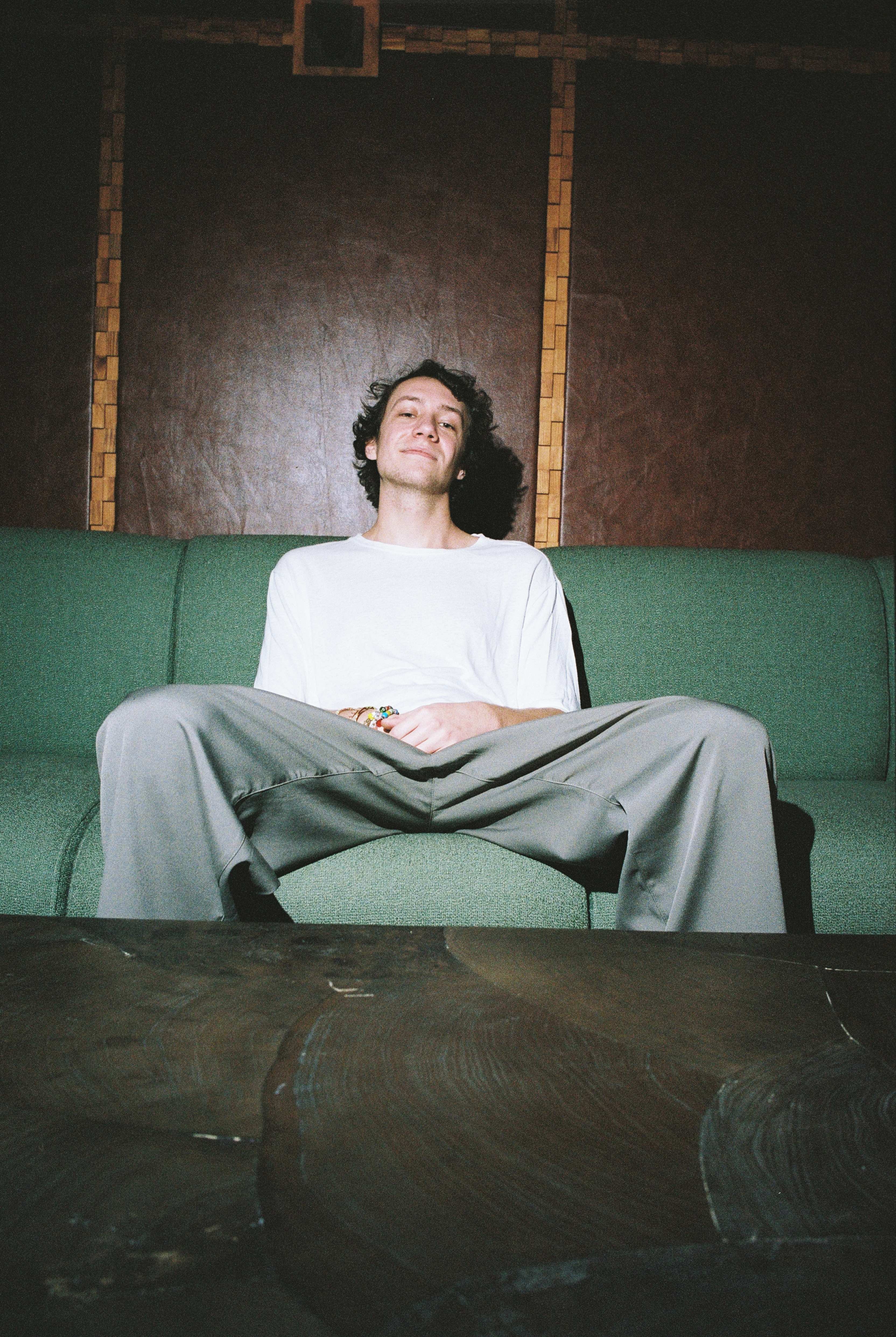
Co-fondateur du label Telluric Village Records aux côtés d'Aman Umber, il a su s'imposer avec constance dans le paysage underground mondial, signant sur des labels engagés comme A.B Records, Jooice Records, Positive Future, Vision Quest ou encore Velvet Spirit. Mais au-delà du catalogue et des dates, Krol est avant tout un artiste mu par une conviction profonde : celle que la musique est un vecteur d'émotion intemporel, capable de graver un ressenti dans le temps et de le transmettre à quiconque pose une oreille dessus.
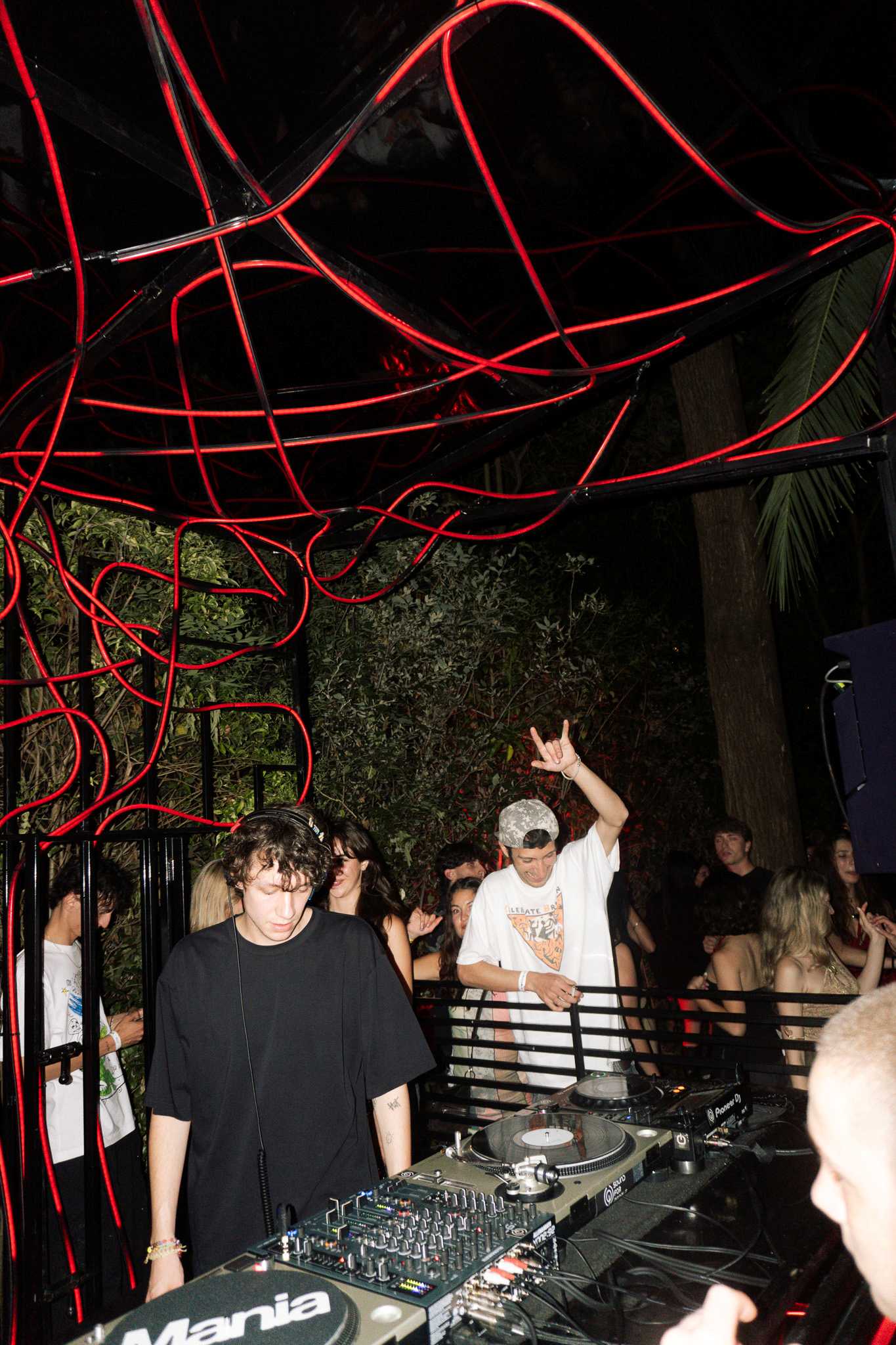
C'est cette philosophie qui guide aussi bien ses sessions studio que ses DJ sets, où raconter une histoire reste sa priorité absolue. Alors que Telluric Village s'apprête à sortir un nouvel EP en collaboration avec Aline Umber, nous avons rencontré Krol pour parler de ses influences, de sa vision de la production et de son rapport à la scène parisienne, une scène qu'il observe évoluer depuis ses débuts, avec l'ambition affirmée de démarginaliser sa musique sans jamais la trahir.
Qui t'as inculqué cette passion de la musique et plus particulièrement de la musique électronique ?
« J'ai eu la chance d'apprendre la batterie avec Olivier Baldissera, un batteur qui a enregistré avec des artistes certifiés platine en France, un musicien absolument redoutable. Il m'a profondément influencé du côté rock, donc à la base, je n'ai pas du tout commencé par la musique électronique. La musique électronique, c'est arrivé plus tard, vers 16-17 ans, grâce à la collection de mon père d'abord, et aussi parce que tu traînes avec des gens plus âgés qui fréquentent déjà les clubs et font la fête. C'est un peu ce mélange-là qui t'ouvre les portes et qui te donne envie de sortir, de découvrir. »
Que représente la production musicale pour toi ?
« La production musicale, c'est avant tout une manière d'exprimer ses émotions et de faire passer un message, et je pense que c'est vrai pour beaucoup d'artistes. Ce que je trouve vraiment génial avec la production, c'est que tu inscris une émotion dans un morceau, et cette émotion, peu importe quand la personne l'écoutera, elle la ressentira à nouveau. C'est une façon de graver quelque chose dans le temps, de manière presque intemporelle. »
Le prochain Telluric Village sort avec Aline Umber, peux-tu nous en dire plus sur le processus de création de cet EP ?
“ Oui, exactement. On a notamment une sortie sur le label de Aline Brooklyn, A.B Records ce sera ALNOS07, et c'est la prochaine priorité pour nous trois. Ensuite il y a le TELU 03, le troisième vinyle de Telluric Village avec Aman Umber, sur lequel on a invité Aline Brooklyn et Amlee, qui a produit un morceau vraiment impressionnant. On a hâte de le faire découvrir, mais on le réserve pour la sortie du vinyle.”
On sent une direction artistique assez globale sur vos EPs, est-ce qu'il y a une volonté de rester toujours dans le même univers ?
« Justement pas du tout, et c'est marrant que tu me dises ça parce qu'il y a beaucoup de gens qui nous disent ça aussi. Et je pense qu'en fait on a juste une manière de produire parce qu'on passe énormément de temps en studio tous les trois. À la fin, tu développes une manière de produire qui est propre à toi et qui est propre à chacun. C'est juste une affaire de goûts, de choix, on a notre manière de commencer un track ou de le produire, d'arranger nos musiques et cetera, et je pense que c'est ça qui fait notre patte. »
Tu as évolué dans la scène parisienne. Quelle force tires-tu de cette scène que tu as vu changer ?
« Je tire beaucoup d'inspiration des artistes qui m'entourent. J'ai toujours été impressionné par le vivier artistique qu'il y a à Paris, et pas uniquement dans notre style de musique. Même du côté techno ou d'autres genres, on a une densité d'artistes qui est vraiment énorme. Après, le vrai problème à Paris, ce ne sont pas les venues, qui existent en nombre suffisant, mais les sound systems. Quand on voyage, à Amsterdam par exemple, les systèmes son sont à un niveau impressionnant, avec quasiment aucune limite, et c'est ça aussi qui crée la vibe, qui fait toute la différence. Ce n'est pas la faute des salles parisiennes, mais si on avait accès à des sound systems de cet ordre-là, avec moins de contraintes, la scène et les teufs seraient encore plus incroyables qu'elle ne l'est déjà. »
Quelles sont les valeurs que tu souhaites transmettre à travers ta musique ?
« L'émotion, c'est clairement la priorité numéro un. En DJ set, j'adore raconter une histoire, construire quelque chose qui se tient du début à la fin. Et au-delà de ça, je pense que le but, c'est de faire grandir notre musique pour la rendre accessible aux oreilles du plus grand nombre, du grand public d'une manière générale, sans pour autant la changer. Démarginaliser ce style de musique sans le trahir, sans le modifier : c'est vraiment pour ça que je fais tout ça. »
Interview menée et rédigée par Marie Espargiliere
- - - - - - - - - - - - - - - - - - - - - - - - - - - - - - - - - - - - - - - - - - - - - - - - - - - - - - - - - - - - - - - - - - - -
Krol is establishing himself as one of the standout figures of the new generation of artists shaping the sound of contemporary electronic music. Instantly recognizable, his sonic universe, both powerful and groovy, precise and instinctive, refined without ever losing its rawness, is the result of years spent sculpting productions in the studio.
Co-founder of the label Telluric Village Records alongside Aman Umber, he has consistently carved out his place in the global underground scene, releasing on committed labels such as A.B Records, Jooice Records, Positive Future, Vision Quest, and Velvet Spirit. But beyond the catalogue and the dates, Krol is above all an artist driven by a deep conviction: that music is a timeless vehicle for emotion, capable of engraving a feeling in time and transmitting it to whoever lends it an ear.
This philosophy guides both his studio sessions and his DJ sets, where telling a story remains his absolute priority. As Telluric Village prepares to release a new EP in collaboration with Aline Umber, we sat down with Krol to talk about his influences, his vision of production, and his relationship with the Parisian scene, a scene he has watched evolve since his beginnings, with the stated ambition of bringing his music to a wider audience without ever betraying it.
Who instilled this passion for music, and electronic music in particular, in you?
"I was lucky enough to learn drums with Olivier Baldissera, a drummer who has recorded with platinum-certified artists in France, an absolutely formidable musician. He influenced me deeply on the rock side, so at the start, I didn't begin with electronic music at all. Electronic music came later, around 16 or 17, first through my father's record collection, and also because you hang around with older people who already go to clubs and party. It's that kind of mix that opens doors for you and makes you want to go out and discover things."
What does music production represent for you?
"Music production is first and foremost a way of expressing emotions and conveying a message, and I think that's true for a lot of artists. What I find truly amazing about production is that you embed an emotion into a track, and that emotion, no matter when someone listens to it, they'll feel it again. It's a way of engraving something in time, in an almost timeless way."
The next Telluric Village release features Aline Umber. Can you tell us more about the creative process behind this EP?
"Yes, exactly. We have a release on Aline Brooklyn's label, A.B Records, it'll be ALNOS07, and that's the next priority for the three of us. Then there's TELU 03, the third Telluric Village vinyl with Aman Umber, on which we invited Aline Brooklyn and Amlee, who produced a truly impressive track. We can't wait to share it, but we're saving it for the vinyl release."
There's a sense of a fairly consistent artistic direction across your EPs. Is there a deliberate intention to always stay within the same universe?
"Actually, not at all, and it's funny you say that because a lot of people tell us the same thing. I think we just have a way of producing because we spend an enormous amount of time in the studio together, the three of us. In the end you develop a way of producing that is your own and specific to each person. It's simply a matter of taste and choices; we have our way of starting a track, producing it, arranging our music and so on, and I think that's what makes our signature sound."
You have grown within the Parisian scene. What strength do you draw from this scene that you have seen change?
"I draw a lot of inspiration from the artists around me. I have always been impressed by the artistic pool that exists in Paris, and not only in our style of music. Even on the techno side or other genres, we have a density of artists that is truly enormous. That said, the real problem in Paris is not the venues, which exist in sufficient numbers, but the sound systems. When we travel, in Amsterdam for example, the sound systems are at an impressive level, with almost no limitations, and that is also what creates the vibe and makes all the difference. It is not the fault of the Parisian venues, but if we had access to sound systems of that caliber, with fewer constraints, the scene and the parties would be even more incredible than they already are."
What are the values you wish to convey through your music?
"Emotion is clearly the number one priority. In a DJ set, I love telling a story, building something that holds together from beginning to end. And beyond that, I think the goal is to grow our music so that it becomes accessible to as many ears as possible, to the general public in a broad sense, without changing it in the process. Demarginalizing this style of music without betraying it, without altering it: that is truly what I do all of this for."